Prepare for the whole winter disruption
Winter outages can combine a cold home, icy roads, closed businesses, weak phone service, and a delayed delivery. A plan focused only on blankets leaves the household vulnerable to the other pieces. Start with the people who need reliable warmth, care, mobility support, or powered equipment. Check the local forecast and official advice, and decide which tasks must happen before travel becomes difficult. That may mean confirming a host, collecting an authorized prescription refill, or arranging accessible transport rather than making another shopping trip for optional supplies.
The US National Weather Service explains winter hazards and links official forecasts at official source ↗. Snow, freezing rain, and wind can affect routes differently; do not use a photograph from another neighborhood to judge the road outside your home. Readers elsewhere should use their local weather and emergency agencies. A household can make useful early arrangements without predicting the exact outage duration. The goal is to preserve safe choices before declining conditions make every choice more complicated.
Keep combustion hazards out of the solution
Do not use a gas oven or stove to heat the home. Never bring charcoal grills, camp stoves, or other outdoor fuel burning equipment inside for warmth. Carbon monoxide is a serious hazard that cannot be judged by whether the room smells normal. Use only heating equipment approved for its intended location and follow its instructions, maintenance requirements, and local rules. CDC's winter guidance addresses these hazards at official source ↗.
If a generator is part of the plan, CDC requires it outdoors at least 20 feet, approximately 6 metres, from doors, windows, and vents, with exhaust directed away from openings. Never run one in a home, basement, or garage, including with the garage door open. Have working battery powered or battery backup carbon monoxide alarms. Follow the generator's instructions and use qualified electrical installation where required; do not improvise a connection to household wiring. The CDC outage reference is official source ↗.
Use a practical warmth setup while monitoring conditions
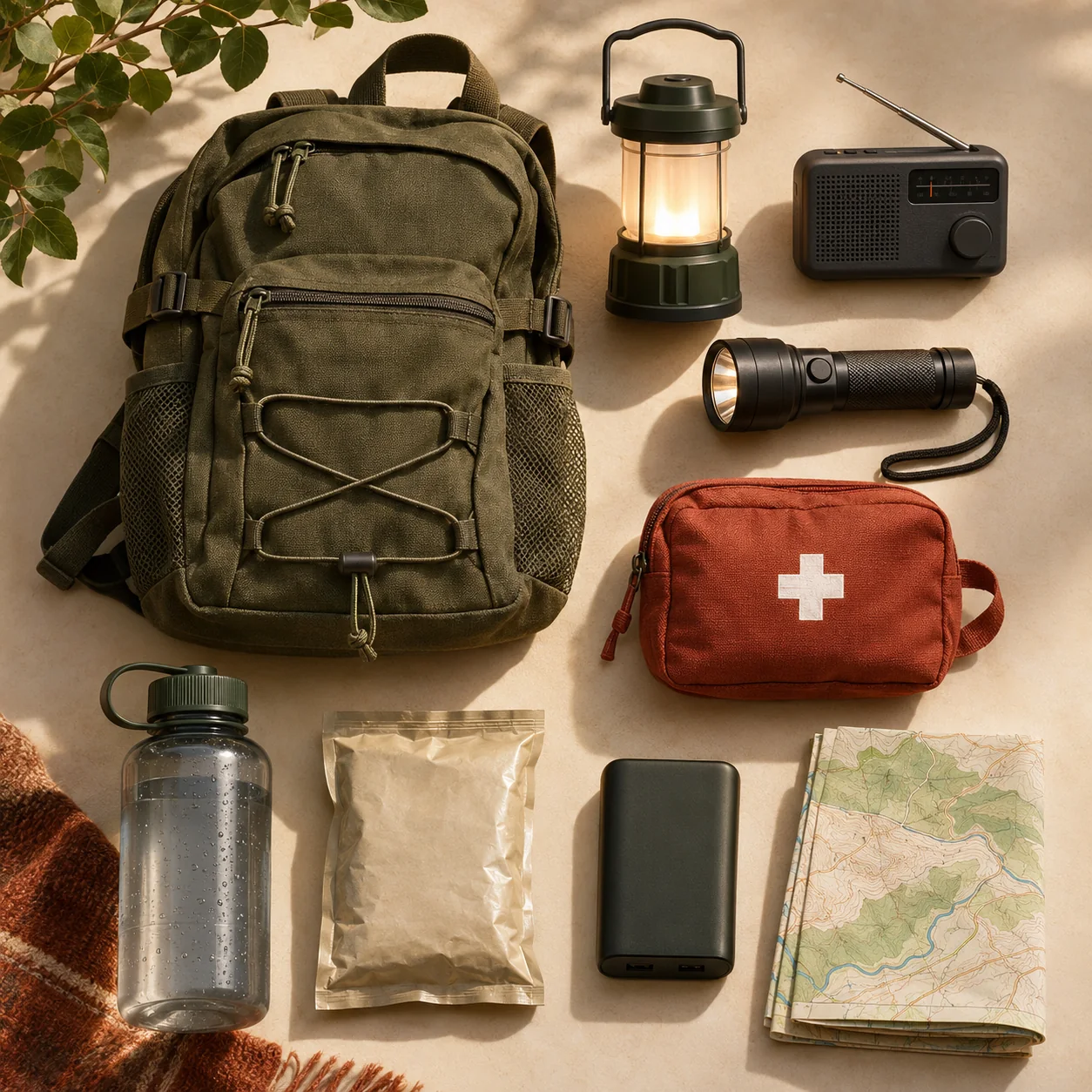
Gather dry layers, socks, hats, blankets, and suitable bedding before darkness. Arrange a manageable living area while preserving ventilation required by equipment and keeping exits clear. Keep people away from damaged electrical systems or areas that may have been affected by water. Battery lighting allows movement without an open flame. Consider the needs of a person who cannot easily add clothing, move to another room, or explain that they are becoming cold. The setup must work for them, not only for the person organizing it. For infants, maintain safe sleep practices: do not add pillows or loose soft bedding for warmth. CDC recommends suitable warmer clothing and temporary accommodation elsewhere if you cannot keep the home warm.
Do not rely on a homemade heater or an online trick as a substitute for safe shelter. A room that felt tolerable at dinner may be colder overnight. Check conditions and individual needs, and agree on a point at which you will use the confirmed warm destination. There is no single indoor temperature in this article that makes a home safe for every person. Ask a clinician about individual cold related concerns and seek urgent medical help when someone may be experiencing a cold related emergency.
Make leaving for warmth a realistic option
Identify a host or officially opened warming location and verify the practical details. Is it open overnight? Can everyone enter and use the facilities? Are necessary medical devices supported? What are the animal arrangements? Confirm the route and transport while travel is still safe. A destination on the far side of a known hazard is not useful simply because it has electricity. Keep a second option and the contact information on paper, especially if the normal travel plan depends on a phone application.
If you cannot travel safely or require assistance, contact the relevant local service early rather than waiting until conditions become urgent. Follow restrictions and official instructions. Do not drive into a storm merely because the household has reached a self selected deadline. A plan needs flexibility for the wider hazard. Share the destination and next check in with the agreed contact, and take essential medicines, documents, communication aids, mobility equipment, suitable clothing, and a manageable supply of food and water.

Keep food, water, and medicine decisions separate
A cold house does not establish a safe refrigerator temperature, and an outdoor porch is not automatically controlled food storage. Weather, sunlight, animals, and temperature variation make assumptions unreliable. Use an appliance thermometer and official food safety guidance. FoodSafety.gov provides the relevant outage and discard criteria at official source ↗. Choose simple shelf stable meals that do not require unsafe cooking equipment. Plan the utensils and safe water as well as the ingredients so the meal is usable under the actual conditions.
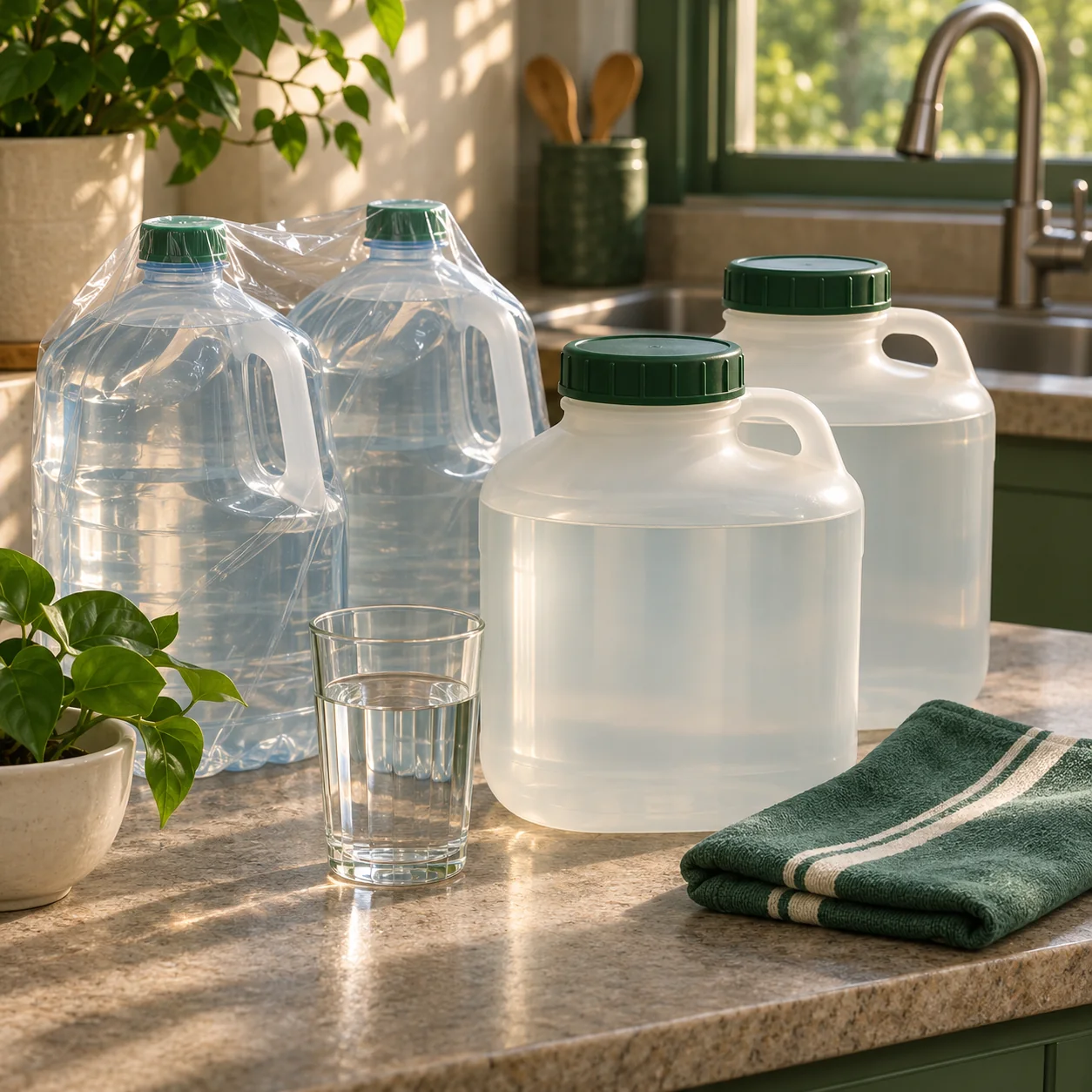
Keep drinking water in suitable containers and locations, following the supplier or manufacturer instructions. Ask a pharmacist about medicine storage and transport: the rules for a particular product may differ from food storage rules. Record any uncertain temperature exposure and seek product specific advice. A generator, cooler, or insulated bag should be considered as part of a verified process, not a universal guarantee. Protecting several different supplies is easier when each has a clear label, an assigned place, and a person who understands its requirements.
Use a simple night routine and a careful recovery
Before sleeping, confirm everyone's location, the essential device status, the next official update, and how help will be requested. Place lights and footwear within reach, clear the route to the exit and bathroom, and keep necessary alarms operating according to their instructions. Check on anyone who requested a welfare contact. If a carbon monoxide alarm sounds or poisoning is suspected, move to fresh air immediately and call the local emergency services; do not stay inside to investigate or silence the alarm and continue resting. CDC explains the invisible hazard at official source ↗.
When power returns, check the systems that matter before assuming normal life has resumed. Follow appliance and heating equipment instructions, assess food using its time and temperature history, and confirm that essential care is functioning. Report damage through the appropriate channel rather than attempting unfamiliar repairs. Later, update the plan around the most important gap the outage revealed. The aim is a household that can stay safely or relocate deliberately, without turning the search for warmth into an avoidable fire, electrical, or carbon monoxide emergency.
Your next useful moves
- Confirm official winter alerts and transport conditions.
- Never heat the home with an oven, grill, or outdoor stove.
- Use generators only in a compliant outdoor location.
- Check carbon monoxide alarms and essential equipment.
- Arrange a confirmed warm destination before travel becomes difficult.
First Hour Blackout Card gives you a small first step.
Get the free resource →Local instructions, individual needs and product specifications can change. This research edition is educational; follow current authorities and appropriate qualified professionals.
Report a correction →