Start with a household check, not a shopping list
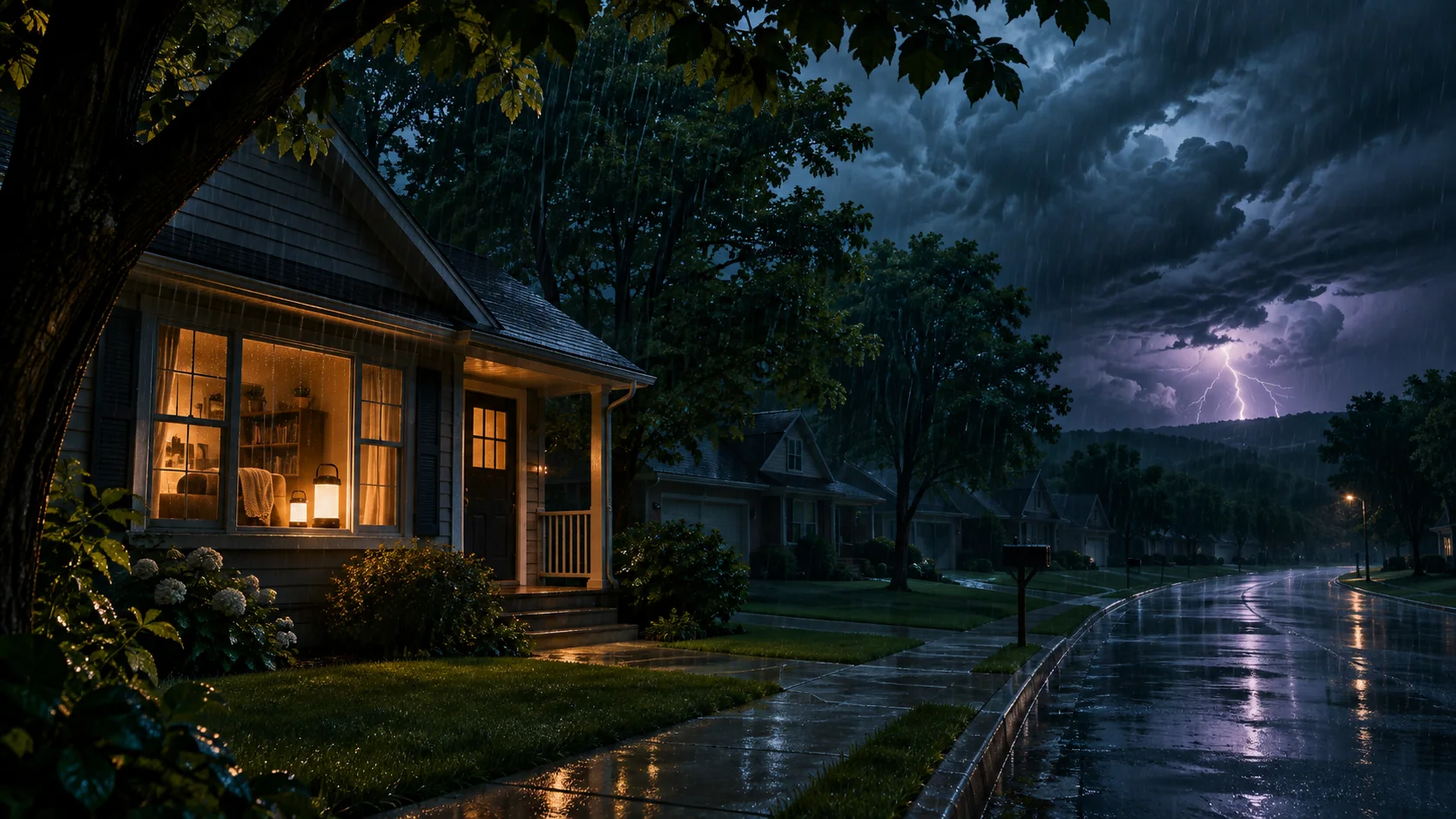
The lights go out while dinner is cooking. One person reaches for a phone, another opens the refrigerator, and a child asks whether school will happen tomorrow. A useful blackout plan gives everyone a first job. Check who is home, who is away, and whether anybody depends on powered equipment, accessible transport, or temperature controlled medicine. A person whose essential care has stopped needs an immediate continuity decision; finding decorative lanterns can wait. Call your local emergency number for an urgent threat to life.
Record the approximate outage time on paper. Check official utility information and local emergency notices without going outside to investigate damaged equipment. An outage may be a neighborhood fault, or one part of a flood, storm, fire, or extreme temperature emergency. Follow the instructions for that wider hazard. Keep clear of downed wires and water near electrical equipment. Your first objective is a safe place for the household, not discovering the technical cause yourself. CDC's outage guidance is a useful starting reference: official source ↗.
Give the first hour a short agenda
Gather flashlights or battery lanterns and put footwear where people can find it. Move bags, toys, and charging cables out of the route to the bathroom and exit. Agree on one place for keys, glasses, hearing aids, and essential papers. If you share a home with somebody unfamiliar with the layout, show that route while daylight or a working light is available. Small organizing decisions reduce repeated searching and prevent the most capable person from becoming the only person who knows anything.
Assign jobs by ability and preference. One person checks official notices; another gathers the meal that needs no cooking; another contacts the relative who was traveling home. A single adult can do the same jobs sequentially. Write down the next check time so everyone does not refresh an outage map continuously. Keep the utility's estimate in perspective: it is information for planning, not a promise that determines whether a medically vulnerable person can safely wait.
Make electricity serve the most important tasks
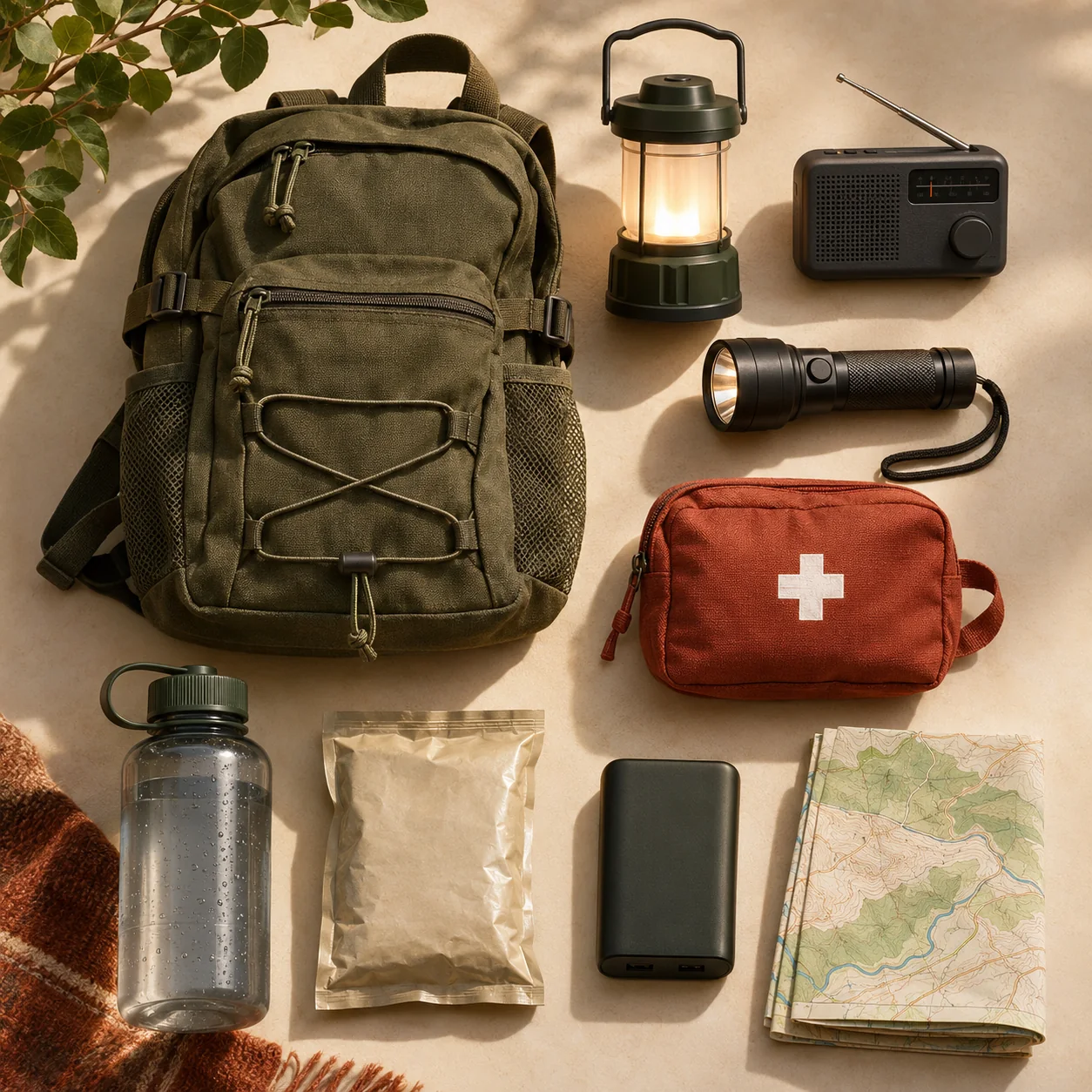
List the devices that actually matter today: a medical device, phone, communication aid, radio, or task light. Put entertainment lower on the list. Check the charged batteries and power banks you already own before connecting everything at once. Compatibility matters more than the number printed on a package. A battery that charges a phone may be unable to run a medical device or household appliance. Use equipment according to its manufacturer, and arrange medical backup requirements with the device supplier in advance.
Battery lighting avoids the need to manage an open flame in a dark room. Fuel burning equipment introduces a different risk. CDC says portable generators belong outdoors at least 20 feet, approximately 6 metres, from doors, windows, and vents. Never operate one inside a home, basement, or garage, even with doors open. Working carbon monoxide alarms matter. An apartment balcony is not a substitute for a suitable generator location. A household without a safe setup should plan another source of shelter or power.
Protect food with a clock and thermometer
Keep refrigerator and freezer doors shut while you decide what to eat. An unopened refrigerator generally keeps food cold for about four hours. A full freezer generally holds temperature for about 48 hours, or 24 hours when half full, with doors closed. These are planning estimates, not a reason to ignore a temperature reading or the history of a particular food. Put a note on the refrigerator door with the outage start time and ask everyone to coordinate access. USDA explains these limits at official source ↗.
Choose a meal from shelf stable foods before searching the cold shelves. Consider dietary needs, allergies, the water needed to prepare food, and whether you have a manual can opener. A picnic style meal can be completely adequate. If cold storage becomes uncertain, use the official food specific discard guidance instead of tasting food to decide. Keep a brief record of temperature checks and any cooler transfers. That record is more useful than a family debate about whether something still smells normal.

Use a communication rhythm people can remember
Send one concise update to your agreed contact: who is with you, your location, whether help is needed, and when you will check in again. Avoid sharing private medical details in a large group thread. If calls are congested, try a short text, while recognizing that no single channel is guaranteed to work. Keep contact details on paper as well as in phones. CDC recommends planning multiple ways to connect and at least two meeting places: official source ↗.
Give children and visiting relatives the same simple message. For example: we are staying here while conditions are safe; our next update is after the official briefing; if we move, our contact will know the destination. That is more reassuring than promising that the lights will return soon. Check on a neighbor through an agreed method that does not require unsafe travel. Ask about the specific help needed rather than assuming age, disability, language, or household size tells you the answer.
Decide before the house becomes difficult to leave
As the day progresses, reassess indoor temperature, care needs, available water, sanitation, and the wider hazard. Identify a destination that is open, reachable, and suitable for everybody, including pets and accessibility needs. Check transport and entry arrangements before a battery runs flat or roads become hazardous. Leaving early for a confirmed safe place can be a sensible preparedness choice. It does not mean the home supplies have failed. Do not wait for a generic number of outage hours if your particular household is becoming unsafe.
Before sleeping, agree on where everyone will rest, how necessary alarms and communication devices will operate, and who will receive official alerts. Keep exit routes clear. In the morning, update the same written plan rather than starting again from memory. When power returns, restoration is a checkpoint: assess food using official guidance, check essential equipment, and recharge priority devices according to their instructions. Later, write three things that worked and three gaps you can fix affordably. The best blackout kit is supported by a routine people have actually used.
Your next useful moves
- Record the outage start time and locate everyone.
- Check urgent medical, temperature, and accessibility needs.
- Use official utility and emergency updates.
- Keep cold storage closed and use a food safety clock.
- Confirm a safe destination and a transport backup.
First Hour Blackout Card gives you a small first step.
Get the free resource →Local instructions, individual needs and product specifications can change. This research edition is educational; follow current authorities and appropriate qualified professionals.
Report a correction →