

Start with the people.
Then build the plan.
You do not need a bunker to begin. You need a first useful move and a way to repeat it.
Make seven small moves.
Choose one likely interruption in your area: a power outage, severe weather, a water advisory or an evacuation. Read your local emergency guidance. Then use this week to organize the people and supplies you already have.
You can begin without buying anything. A written contact, a working light in a known place and a conversation about who needs help can be more useful than another unopened kit.
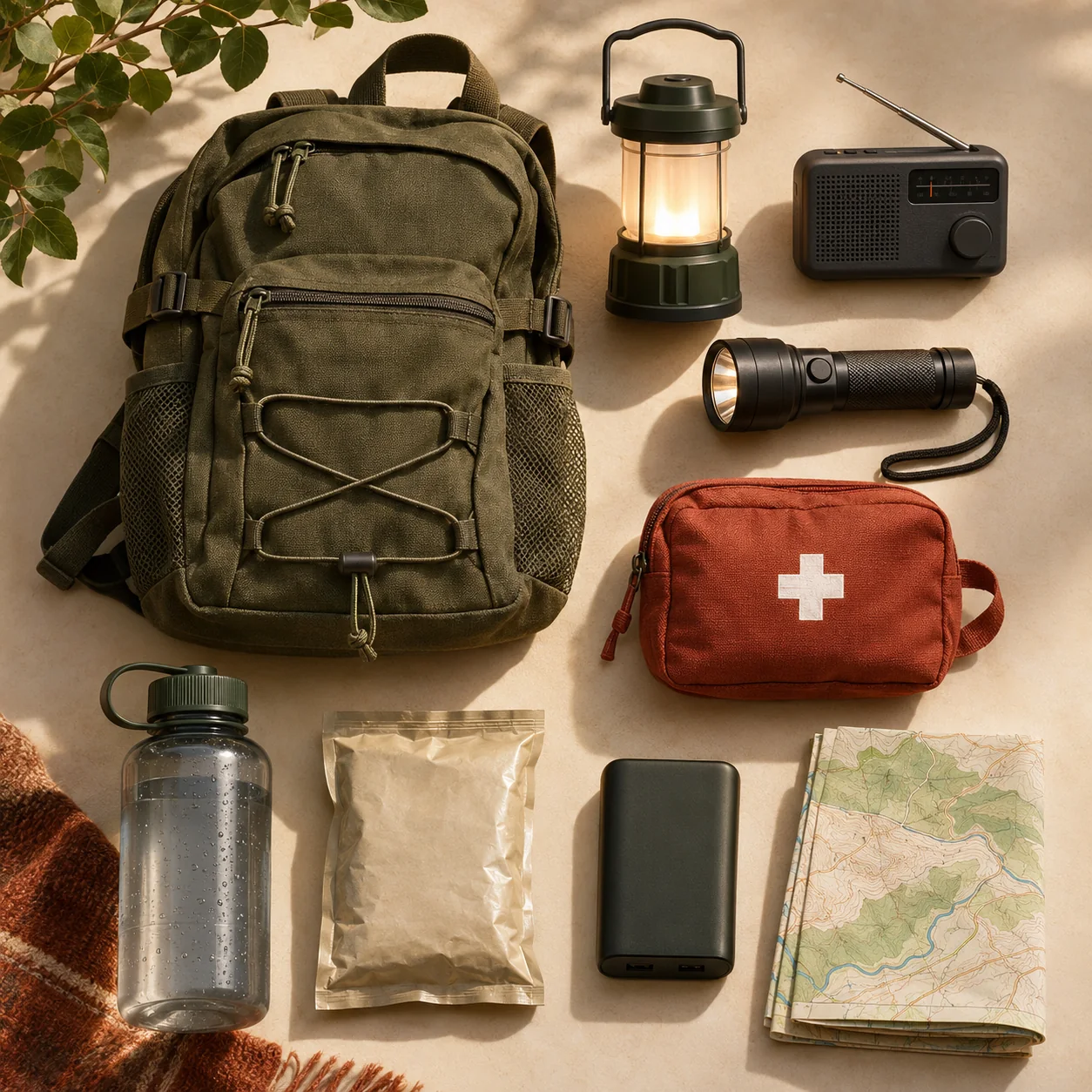
A week your household can use.
Ask who would need support if a usual routine stopped. Agree one person to contact outside your area.
Find your official local emergency and utility information sources. Save the route offline.
Find and test a battery light. Put it where another person can locate it.
Count people and stored water. Use the water planner and identify the next manageable gap.
Choose familiar ready-to-eat meals. Check dietary needs, a manual can opener and safe storage.
Discuss where to meet, how to leave and how to include pets, documents and care needs.
Try one small safe drill. Write down what was confusing. Change the plan and choose a review date.
Choose the first system.
 Power & blackouts
A dark house needs clear decisions.
Know your first moves when lights, charging, refrigeration and familiar routines stop working.
EXPLORE THE SYSTEM →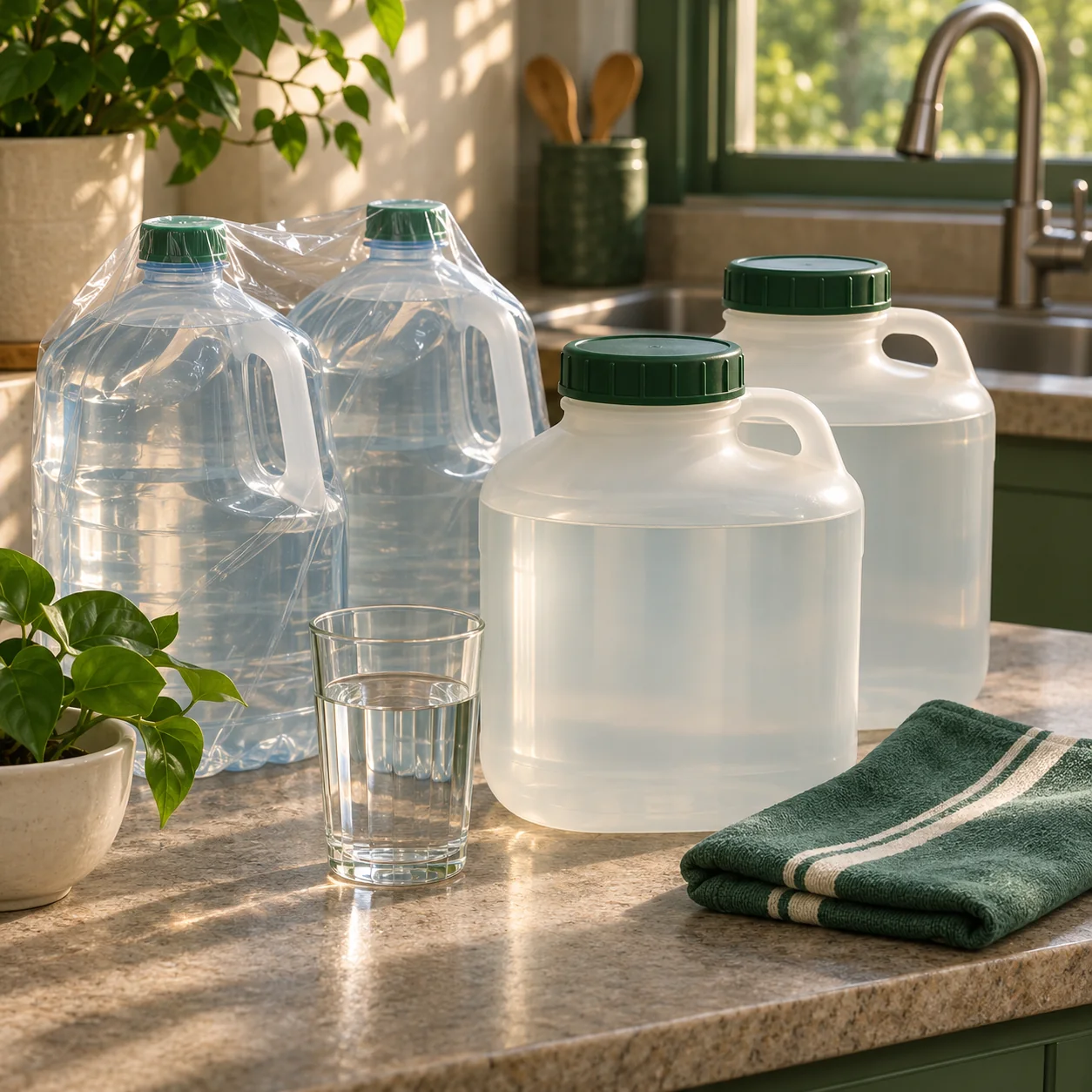 Water & filtration
An empty tap should not empty your options.
Count people, storage and individual needs before you buy containers or choose a filter.
EXPLORE THE SYSTEM →Household & careThe plan should work when you are not home.
Connect the people, care needs, contacts and everyday responsibilities that a generic kit misses.
EXPLORE THE SYSTEM →