Treat heat as a household safety problem
A power cut on a hot day is not only an inconvenience about missing air conditioning. It can interrupt cooling, water access, lifts, transport, medicines, and essential equipment at the same time. The effect differs between a shaded ground floor home and a top floor apartment, and between people with different health needs. Start with the question that changes the plan: if this home becomes unsafe, where can everyone go and how will they reach it? Answering that early is more useful than collecting cooling gadgets without a destination.
Use local heat forecasts and emergency information, and ask a clinician for an individual heat action plan where health conditions or medicines require one. CDC notes that heat can affect anyone and may worsen certain conditions; it specifically advises not stopping or changing medicines without talking to a doctor. Its current overview is at official source ↗. In countries outside the United States, use the local meteorological and public health services. A translated temperature number alone does not replace regional warnings and available assistance.
Choose a real cooling destination
Identify an air conditioned place before the forecast turns urgent. A friend's home, a library, a community facility, or an officially announced cooling center might be suitable, but confirm its actual opening and arrangements. Ask about accessible entry, toilets, water, seating, service animals, and the time you may remain. A map pin does not prove a building is open during an outage. Keep the address, phone number, and an alternative destination on paper so the household can act if internet access becomes unreliable.
Plan the journey, including someone unable to walk far or wait in an exposed queue. Check public transport status, accessible services, and the ability of a trusted person to assist. Make departure a decision supported by conditions and individual needs, not a contest to stay home longest. If a car is part of the plan, the destination still matters; a vehicle is not a substitute for confirmed shelter. Never leave children, dependent adults, or pets waiting in a parked vehicle while another person investigates arrangements.
Reduce the heat burden while arranging the next step
Use available shade and avoid adding unnecessary heat from cooking or strenuous household tasks. Prepare an easy meal and place drinking water where people can reach it. Consider whether opening windows would actually bring cooler, safe outdoor air, rather than applying a universal rule irrespective of smoke, security, or outdoor conditions. Monitor what is happening in the room instead of assuming that being indoors automatically means being protected. A household should not have to discover its hottest room during the first night without cooling.
Fans have limits. CDC currently advises using them only when indoor temperature is below 90°F, approximately 32°C; above that, a fan can increase body temperature. A fan is therefore not a reliable reason to delay reaching an air conditioned location. Use a thermometer as one piece of information, while recognizing that health needs and symptoms can require action earlier. Do not use a single temperature threshold to declare a room safe for every person. Confirm the individual plan with the appropriate clinician when needed.
Make hydration practical without inventing a medical prescription
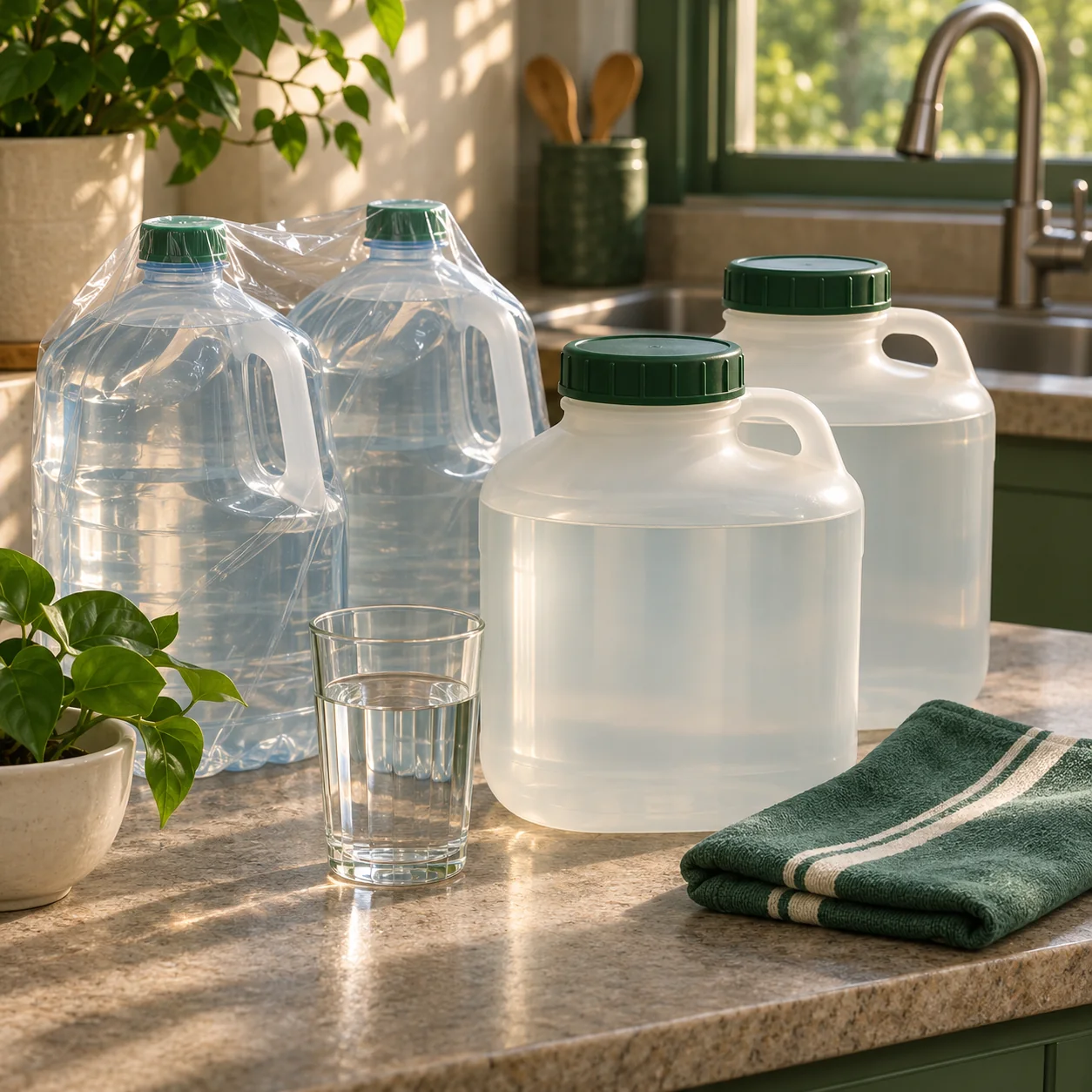
Keep an appropriate supply of safe drinking water and a cup or bottle the person can use. Offer regular opportunities to drink and avoid making access depend on asking a busy carer. If a clinician has set fluid or dietary restrictions, ask in advance how those instructions apply during heat. Do not prescribe a fixed quantity for every reader or tell someone to ignore their care plan. CDC's advice to stay hydrated supports preparation, but individual medical questions need individual answers.
Consider the jobs water must do beyond drinking: preparing food, taking medicines, caring for an infant, and supporting hygiene. Store supplies in manageable sizes rather than relying on a heavy container one person cannot lift. If there is also a water advisory, follow the official instructions for the affected supply. A supply interruption can turn an otherwise manageable hot afternoon into a more difficult situation. Include water availability in the decision to relocate, and ask the cooling destination what visitors should bring.

Use check ins that change what happens next
Agree who will contact a person living alone, how the check in will happen, and what to do if they do not respond. A message saying hope you are okay is not a complete plan. Ask whether cooling is working, whether the person can reach a cooler place, and whether assistance is needed now. Respect privacy and preferences, and avoid assuming that everyone over a certain age needs the same intervention. A useful check in connects a stated need with a practical next action.
Know when a situation requires emergency help. Confusion, altered mental status, slurred speech, collapse, or loss of consciousness in heat can indicate heat stroke, a medical emergency. Call the local emergency number immediately and follow the dispatcher's instructions; move to a cooler place and begin appropriate cooling while help is coming when safe. CDC's heat illness guidance is at official source ↗. Do not wait for a particular thermometer reading or for the power to return before seeking urgent assistance.
Pack for an interruption that may last overnight
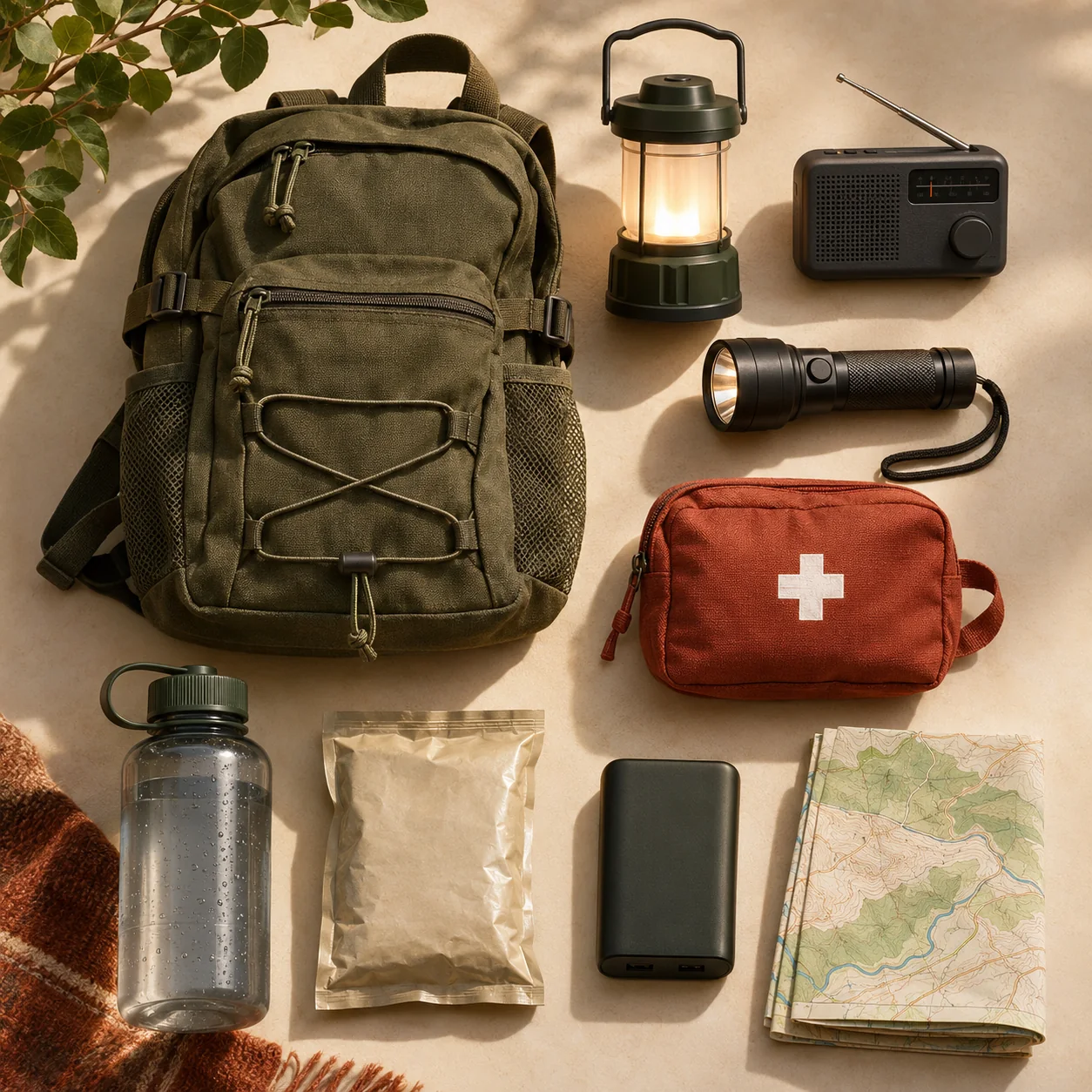
Prepare a small departure bag with medicines stored correctly, necessary medical or communication equipment, chargers, identification, contacts, suitable clothing, and personal care items. Check the destination's animal policy before departure and make an alternative arrangement for pets where needed. If someone uses powered medical equipment, ask the supplier about approved backup and relocation requirements. A general battery product should not be assumed compatible. Keep the essential care instructions with the person rather than solely in a computer at home.
After the heat event, note the friction points: a cooling center closed early, a neighbor lacked transport, or the water container was too awkward to use. Fix those practical gaps before spending on more equipment. Review the plan when a household member's health, medicines, work, or housing changes. Heat preparedness succeeds when people can act early and reach a place that meets their needs. The value of the plan is not measured by how many uncomfortable hours somebody managed to tolerate at home.
Your next useful moves
- Check official heat and outage information.
- Confirm an air conditioned destination and its opening arrangements.
- Plan accessible transport and a second destination.
- Follow individual medical advice about medicines and fluids.
- Treat confusion or collapse in heat as an emergency.
First Hour Blackout Card gives you a small first step.
Get the free resource →Local instructions, individual needs and product specifications can change. This research edition is educational; follow current authorities and appropriate qualified professionals.
Report a correction →