Write the requirement before searching
Search for an emergency kit and you will see many ways to fill a bag. Your household still has to decide what the bag should do. A commuter's carry-home supplies, a family's evacuation bag, and supplies for staying in an apartment serve different purposes. Start by writing the scenario, the people, how the supplies will travel, and what is already covered. That small brief can save you from comparing products that solve different problems.
The Amazon links in this article are ordinary official search links with no affiliate tags. Affiliate enrollment is pending; no active affiliation, tested-product status, or recommendation based on hands-on review is claimed. Search results, sellers, availability, and prices can change. We link to categories so you can inspect current listings and manufacturer information, not because everything returned by a search meets a safety or quality standard.
Light: can the actual user operate it?
For flashlights and headlamps, begin with the user rather than brightness alone. Compare switch size, grip, weight, runtime information, and the type of power required. A young child, someone with limited hand strength, and someone doing ordinary household tasks may need different designs. Decide where the light will live and how its battery will be maintained.
When it arrives, check the model and contents against the listing and instructions. Test the controls in a normal darkened room and make sure another household member can find and use it. Do not reserve every light for a sealed emergency bag if that leaves the home without accessible lighting. Equally, if a light is borrowed for daily tasks, give it a return location so the emergency plan does not depend on searching the house.
Charging: match the whole chain
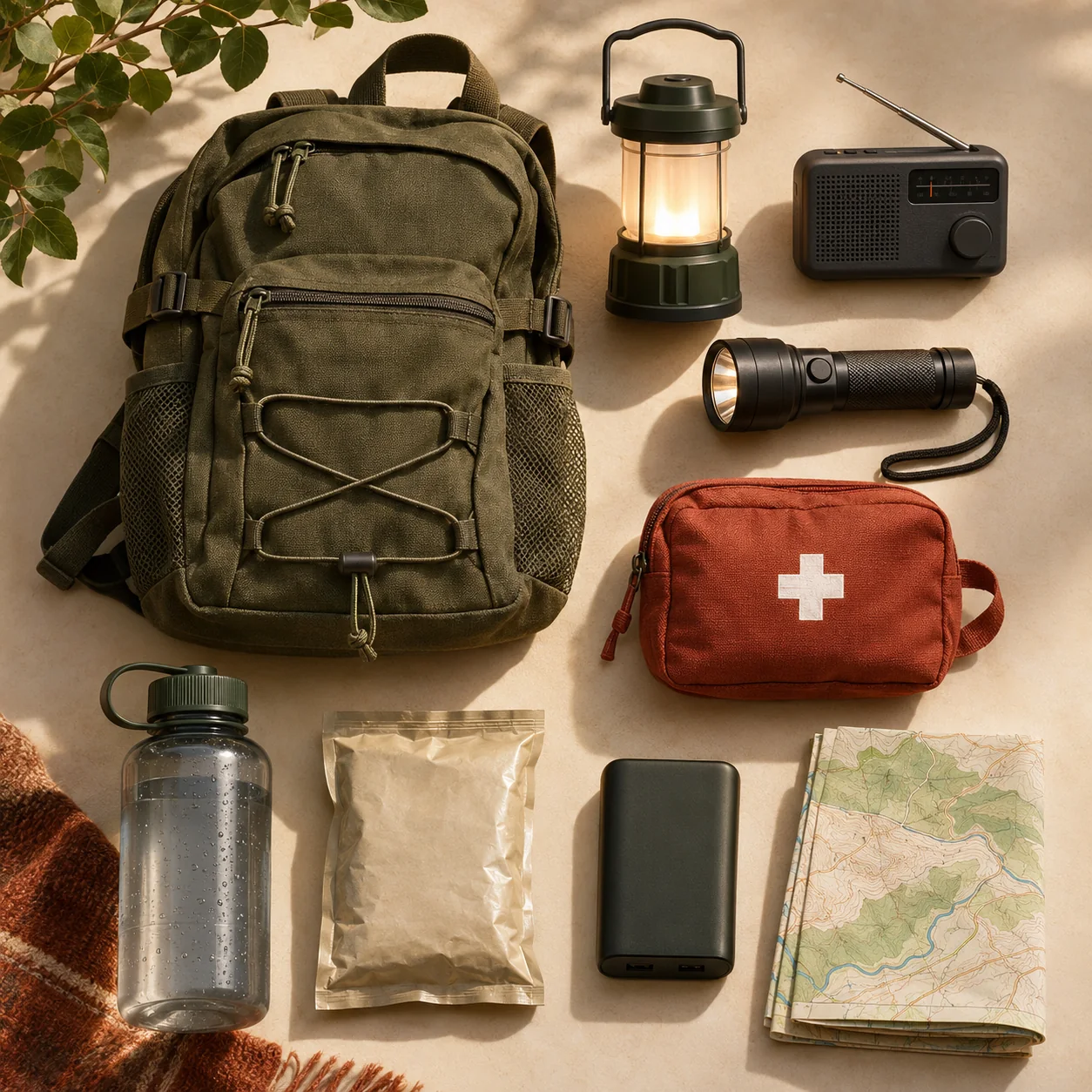
For a phone power bank, list the devices, connectors, and cables it must support. Read input and output specifications and charging instructions. Printed capacity alone does not establish how many complete charges your particular phone will receive. If the device is intended for travel, separately check current airline or transport rules with the relevant operator.
A phone-charging purchase is not a medical backup-power plan. If essential equipment needs electricity, use the equipment provider and clinician to identify suitable backup options, expected runtime, and a safe alternative location. Do not infer compatibility from a matching socket or a listing's emergency label. Keep manufacturer instructions and record the date of a realistic test. Stop using damaged equipment and follow the manufacturer's safety information.
Information: buy for your location
For an emergency radio, check which broadcasts it receives and which are useful where you live. NOAA Weather Radio is a US service, not a universal global warning system. Read the official National Weather Service explanation of NOAA Weather Radio if you are shopping for that function in the United States. Elsewhere, identify the local equivalent before choosing features.
Look at how the device is powered and what maintenance each option requires. A list of power options is less useful than knowing which one your household will keep ready. Write down the stations or frequencies you intend to use, test reception at home, and make controls understandable to the users. Keep more than one way to receive local official warnings; no single consumer gadget makes information access certain.

Water containers and filters are different purchases
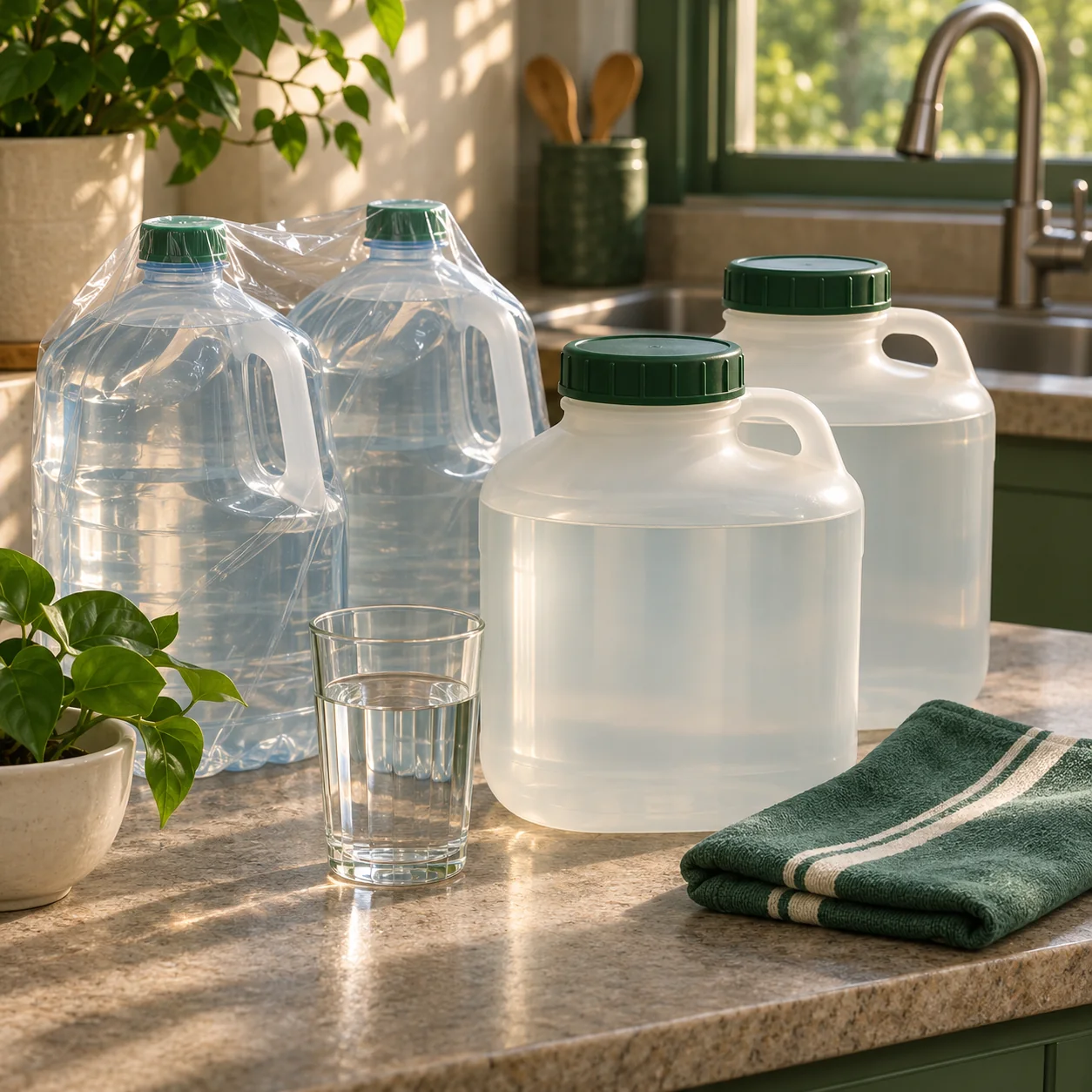
For water-storage containers, check that the manufacturer identifies their intended use for drinking water, with usable lids and handling instructions. Consider filled weight, space, and whether each person can pour from the container. An apparently efficient storage shape can become inconvenient when the person who needs water cannot move it.
For any water filter, read the specific contaminant claims, independent certification where relevant, replacement requirements, and limitations. A vague survival label does not establish that a filter can handle the hazard affecting your supply. Save CDC's emergency-water guidance, and follow local public-health instructions during an actual incident. Shopping for a filter and knowing when water is safe are separate decisions.
First aid, food access, and fit
When examining a first-aid kit, inspect the contents list, packaging, expiration information, and instructions rather than item count. Many small components can make a large headline number without covering your household's needs. Keep prescribed supplies and an individualized care plan separate from assumptions about a generic kit. Training is part of preparedness; a delivery box does not teach first aid.
A manual can opener should work with the cans and users in your household. An evacuation backpack should fit the carrier and the agreed load. Test both before buying multiples. Accessibility matters more than a tactical appearance: a bag someone cannot comfortably carry does not become usable because its pockets are well photographed.
Investigate claims beyond the listing
Find the manufacturer's model number, operating manual, warranty terms, and support information. Compare the specific model rather than treating similar-looking products as interchangeable. Look for the evidence behind any claim that matters to your decision. An independent certification should be traceable to the relevant organization's listing for the model and claim, not merely a logo in an image. Reviews can suggest questions, but they cannot substitute for documentation.
Before relying on safety-sensitive equipment, search the US Consumer Product Safety Commission recall database where applicable, or your country's equivalent. Check again when a notice affects the category or manufacturer you own. Record purchase details and keep instructions somewhere accessible offline. This does not guarantee a product is safe; it creates a practical route for checking official notices and responding if something changes.
Unbox the system, then maintain it
Lay the purchases together and try one ordinary sequence: find the light, open a meal, charge the phone, retrieve the contact card, and lift the packed bag. Note missing cables, unreadable instructions, awkward packaging, and duplicated items. Make corrections while returns or replacements are still straightforward. Keep private documents secure during any shared demonstration.
Finish by assigning maintenance dates and an owner. Food, batteries, personal supplies, fit, and household needs change on different schedules. A checklist should tell you what the equipment does and how you know it remains usable. That is a stronger result than receiving a complete-looking kit and assuming the work ended when the delivery arrived.
Your next useful moves
- Define stay-home, evacuation, or travel use before searching.
- Match model numbers, connectors, and intended users.
- Check manufacturer evidence behind safety claims.
- Search official recalls and keep purchase records.
- Test the assembled system and schedule maintenance.
Leave-Ready Checklist gives you a small first step.
Get the free resource →Local instructions, individual needs and product specifications can change. This research edition is educational; follow current authorities and appropriate qualified professionals.
Report a correction →