
A useful plan has to fit your real finances
If the household is already balancing groceries, transport, childcare, and rent, a large emergency shopping list can feel like another bill you cannot meet. That does not mean preparedness is beyond reach. It means the plan needs to start with the resources, time, space, and support actually available. A safe route home, a reliable contact, and an organized supply you already own can matter before another product enters the house.
Keep daily essentials funded. An emergency buffer should strengthen your ability to cope, and a purchase that prevents necessary care or creates fees may weaken it. There is no moral ranking based on the size of someone's pantry. Start with the next preventable problem you can realistically address, record the result, and build from there. The same method can work for a student, a retired person, a new parent, or a household rebuilding after disruption.
Do a no-spend first pass
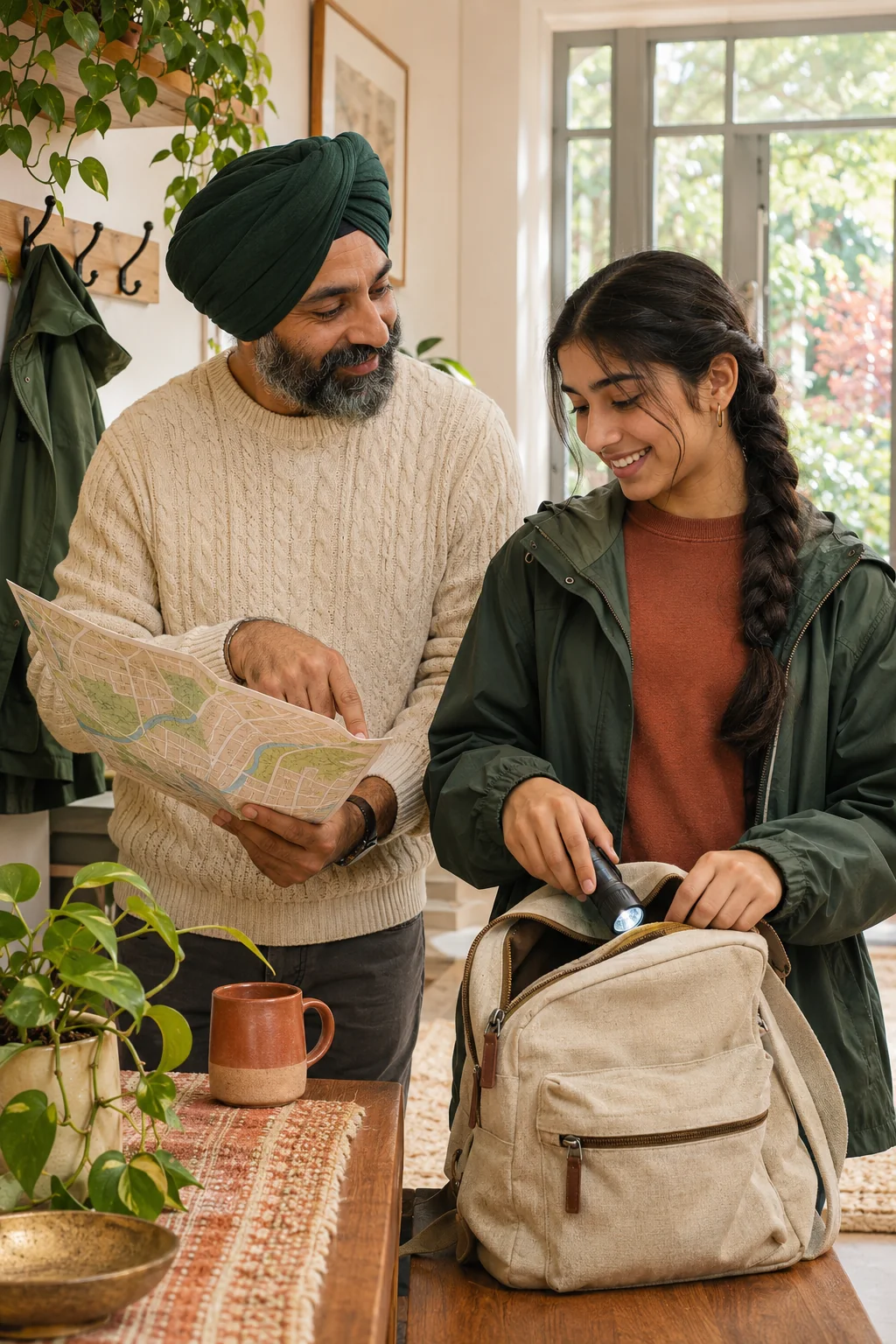
Walk through the home and list usable supplies. Check the flashlight, locate compatible batteries, find the can opener, and collect charging cables that work. Count familiar shelf-stable meals rather than miscellaneous packages. Look for a bag you already own before buying an emergency-branded one. Keep important records together and write essential phone numbers on paper. These tasks create usable access to resources that may currently be scattered.
At the same time, identify local official warning sources, likely hazards, and routes you normally use. Discuss what would happen if the household were separated or the usual transport stopped. The UK government's Be Ready checklist encourages checking existing supplies and building gradually. That general approach is useful elsewhere, but warning services, emergency numbers, and supply recommendations should come from your own local authorities.
Give the next available amount one job
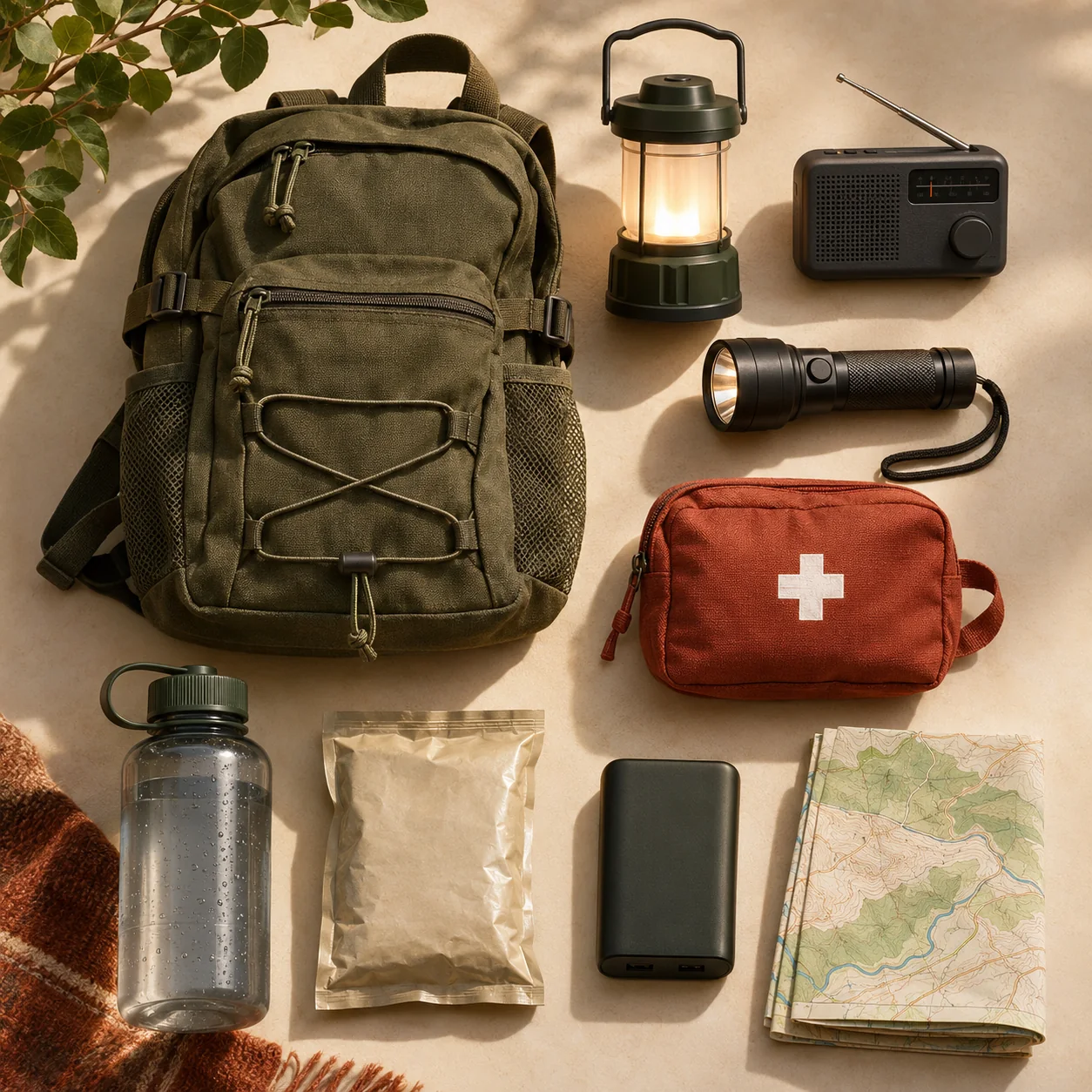
Choose a small spending limit only after necessary bills and ordinary essentials are considered. Then select one uncovered function. Perhaps you need safe stored water, one usable light, a few suitable no-cook meals, or a replacement cable. The right answer depends on what is missing. Avoid spreading the money across several incomplete solutions just because they look like a more comprehensive kit.
If your household has a medical or disability-related need, clarify that plan with the relevant clinician, supplier, support worker, or local service. A generic bargain list cannot tell you how to maintain a treatment or safely replace a powered device. Some needs require coordination rather than a retail purchase. Write down who to contact and what information to ask for; completing that conversation can be a significant preparedness step.
Use a small food buffer that rotates
Choose food your household already eats and can store correctly. Where your budget allows, add an extra suitable item to a normal trip and use older supplies first. Build complete eating occasions rather than accumulating one cheap category. A cupboard full of one staple may leave gaps in ready-to-eat meals, dietary requirements, or the ability to prepare it when services fail.
Test a meal during an ordinary week. This can expose the need for an opener, an alternative texture, or smaller portions before an emergency. Do not buy a bulk case until you know the household will use it. FoodSafety.gov's disaster guidance helps distinguish safe storage from assumptions about shelf life. Saving money does not make damaged or improperly stored food a sensible purchase.

Compare the cost you will actually pay
A low unit price can hide membership fees, travel costs, replacement parts, wasted food, or a container too large for the household. Compare a useful quantity, not only the largest package. Check whether a product needs subscriptions, special batteries, proprietary cables, or maintenance you cannot afford. A simpler item that performs its job reliably within your plan may be the more sustainable choice.
Buying used can make sense for some ordinary durable items, but safety-sensitive purchases need extra care. Check condition, recall information where applicable, the presence of instructions, and whether parts are missing. Do not treat unknown equipment as safe because it powers on. If you cannot verify an item's suitability or maintain it properly, it may be better to spend that amount on a different gap rather than inherit a problem.
Build a support map without assuming rescue
Identify people and organizations you can contact for different needs: a neighbor who can share local updates, a relative outside the area, a trusted community group, a school, or a local emergency-management office. Ask about actual arrangements rather than assuming someone will provide transport, supplies, or accommodation. Discuss what you can offer as well, while respecting each person's limits.
Where relevant, learn about local assistance programs before you need them. Eligibility, availability, and registration processes vary. In the United States, local government and community organizations may point you toward appropriate food, health, disability, or utility support; elsewhere, use the local equivalent. Keep the information offline. Asking for assistance is part of using available resources, and a practical plan can include both personal supplies and community systems.
Protect income and records as well as supplies
A missing document or inaccessible account can make an ordinary interruption harder to recover from. Gather the essential records and contact details needed for housing, insurance, work, and care, keeping sensitive information protected. The Consumer Financial Protection Bureau's disaster preparation resources offer a US starting point for this task. Use the relevant institutions and protections in your jurisdiction.
If you can put aside a small financial reserve without sacrificing essentials, choose a method appropriate to your circumstances. Avoid tying all available money up in supplies you cannot easily use. Discuss expected pay, transport, childcare, and communication problems that might follow a disruption. These are preparedness issues too, even though they do not fit inside a kit.
Measure progress by fewer unanswered questions
At the end of each week, note one completed improvement: a working light in a known place, an accurate contact card, a suitable meal, or an agreed ride option. Keep the remaining gaps in priority order and review them when circumstances change. Progress may pause during a difficult month; keep using and maintaining what you have.
A modest plan can still be thoughtful and effective. When the household knows where supplies are, how to reconnect, and what to do next, you have gained something practical. Let the next purchase follow that clarity. Preparedness becomes easier to sustain when it is part of normal life and respects the budget that keeps normal life running.
Your next useful moves
- Complete a no-spend inventory and contact plan.
- Keep everyday necessities funded.
- Give each affordable purchase a defined function.
- Rotate familiar food and account for hidden costs.
- Map local support and review one gap at a time.
Household Handoff Sheet gives you a small first step.
Get the free resource →Local instructions, individual needs and product specifications can change. This research edition is educational; follow current authorities and appropriate qualified professionals.
Report a correction →