

Write decisions people can use while separated
An evacuation plan needs to work when the household is not standing beside the front door together. One adult may be at work, a teenager at a friend's home, a grandparent at an appointment, and a pet alone in the apartment. The plan should answer what each person does next without requiring a successful group call first. Start with the people who may need assistance, their usual locations, and the trusted contacts already involved in daily life. Include the household you have, whether it is one person or several generations.
Use a single page for the essential decisions and keep supporting details separately. The first page should contain emergency numbers, two meeting locations, an out of area contact, the preferred destination, and transport arrangements. CDC recommends multiple ways to communicate and at least two meeting places in its planning guidance: official source ↗. Give each person an accessible copy. A complete document stored only in one locked phone is not a usable family communication system.
Let local hazard instructions determine the immediate action
Evacuating and sheltering are different responses to different hazards. Do not make an automatic rule that every alarming headline means driving away. Follow local emergency authorities, official evacuation orders, and the specific instructions for the incident. A fire in the building is different from an approaching storm, and a hazardous release may require instructions you should not improvise. Learn which official channels cover your address and how alerts are issued. Outside the United States, use the local equivalents rather than expecting a US alert system to serve your location.
For a forecast event, create practical early decisions that support the official instructions. Who checks the next briefing? When will you confirm that the host location is available? What transport must be booked before demand rises? Someone needing accessible transport, oxygen support, or a long transfer may need to act sooner than another household. Ask relevant providers about these arrangements ahead of time. A family deadline is a planning aid; it must never delay action on an urgent warning or turn into a substitute for professional advice.
Choose destinations that solve the whole problem
Name a nearby meeting point for a small, immediate displacement and an alternative beyond the area that may be affected. Make the locations specific enough to identify without a live map. A familiar landmark can help, but check that it is accessible, legal to reach, and appropriate to the hazard. A meeting point is not necessarily a place to sleep. Confirm the separate destination where people can stay, enter, use necessary facilities, and receive any support they depend on.
Ask the host about realistic capacity and expectations. How many people can come? Are there stairs, pets, severe allergies, or equipment needs to consider? If using a public shelter, verify current opening, eligibility, accessibility services, and animal arrangements through official information. Do not assume a location listed in an old plan is operating today. Keep a second option so a closed road or unavailable host does not leave the household debating its destination from a crowded petrol station or transit stop.
Make the transport plan more than a vehicle
Record who travels with whom, where keys and essential travel documents are kept, and what happens if the usual driver is away. Households without cars need equally specific plans: a confirmed friend, an accessible service, or official evacuation transport where available. Check how to request that service and whether advance registration is needed. Do not assume a rideshare vehicle will be available during a regional emergency. Where travel crosses borders, check current entry requirements and do not assume everyday identity documents are sufficient.
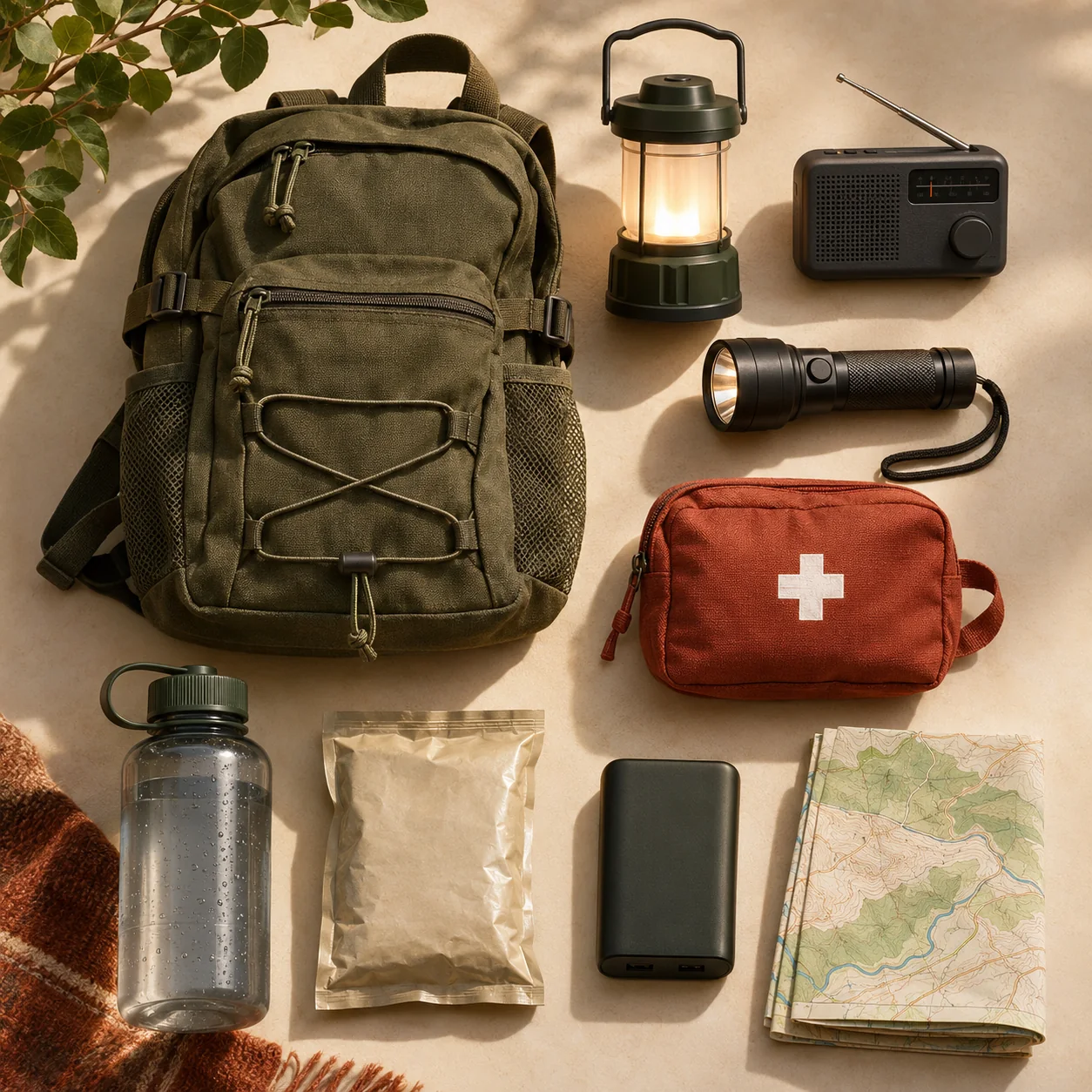
Prepare manageable departure bags that match the journey and destination. Include necessary medicines, communication and mobility aids, chargers, essential records, and suitable clothing. Keep a concise packing priority so a late departure does not become a search for replaceable possessions. Make space for children and animals with the restraints or carriers they need. The vehicle is not a place to discover that a carrier does not fit or a mobility aid cannot be transported. Test the arrangement during a safe, ordinary practice.

Use short messages and a shared contact
Agree on a message format: name, current safe location, companions, destination if moving, help required, and next check in. For example, a message can say that two people are at the agreed host and expect another update after the next briefing. Keep it factual. Do not include unnecessary medical histories, access codes, or sensitive documents in a group chat. An out of area contact can collect updates when household members cannot reach each other directly, provided that person understands and accepts the role.
Plan alternatives to a voice call. A brief text, an agreed messaging service, a paper contact card, and official assistance channels may each serve different circumstances; none is guaranteed. Choose methods the actual household can use. A child should know the trusted adult and basic contact details without being expected to manage complicated technology. Coordinate with schools, workplaces, and care facilities about their own reunification procedures. Do not tell somebody to leave a supervised setting in a way that conflicts with the safety arrangements there.
Practice the choices, then revise the page
Run a discussion around a realistic interruption: the main road is closed, one phone has no service, and the preferred host cannot take pets. Let each person explain their next action. This is not a test of bravery or memory. Look for missing information and conflicts. Perhaps the person assigned to collect a relative cannot do so during work hours, or the second destination depends on the same bridge as the first. Solve those dependencies while the situation is still an exercise.
Review the plan after moving, changing schools, replacing a phone, adopting an animal, or changing care arrangements. Keep contact details current and protect private information in both paper and digital copies. FEMA's household planning guide offers a broader framework at official source ↗. The useful result is a short set of decisions people understand, supported by real conversations with hosts and providers. A plan becomes credible when the household knows how to use it and who has actually agreed to help.
Your next useful moves
- Choose official alert channels for the actual address.
- Set two meeting places and confirm a place to stay.
- Arrange transport and an alternative driver or service.
- Give everyone accessible contact information.
- Practice one separation scenario and update the weak points.
Household Handoff Sheet gives you a small first step.
Get the free resource →Local instructions, individual needs and product specifications can change. This research edition is educational; follow current authorities and appropriate qualified professionals.
Report a correction →