
Dark rooms are only the beginning.
A blackout can turn familiar routines into a pile of urgent questions. Where is the working light? How much charge is left? Who is checking on the older relative? What happens to dinner, the locked building entrance, or equipment that depends on electricity? Buying another gadget does not tell everyone what to do. This system helps you connect people, supplies and decisions before the interruption starts.
For the home you actually live in.
This is for apartment renters, first-time parents, multigenerational households, people living alone and experienced planners who want their arrangements to make sense to someone else. You do not need a garage, a generator or a large budget to begin. Your local hazards, building rules and individual health needs shape the plan. Households outside the United States can use the planning approach while following their own emergency services and electrical standards.
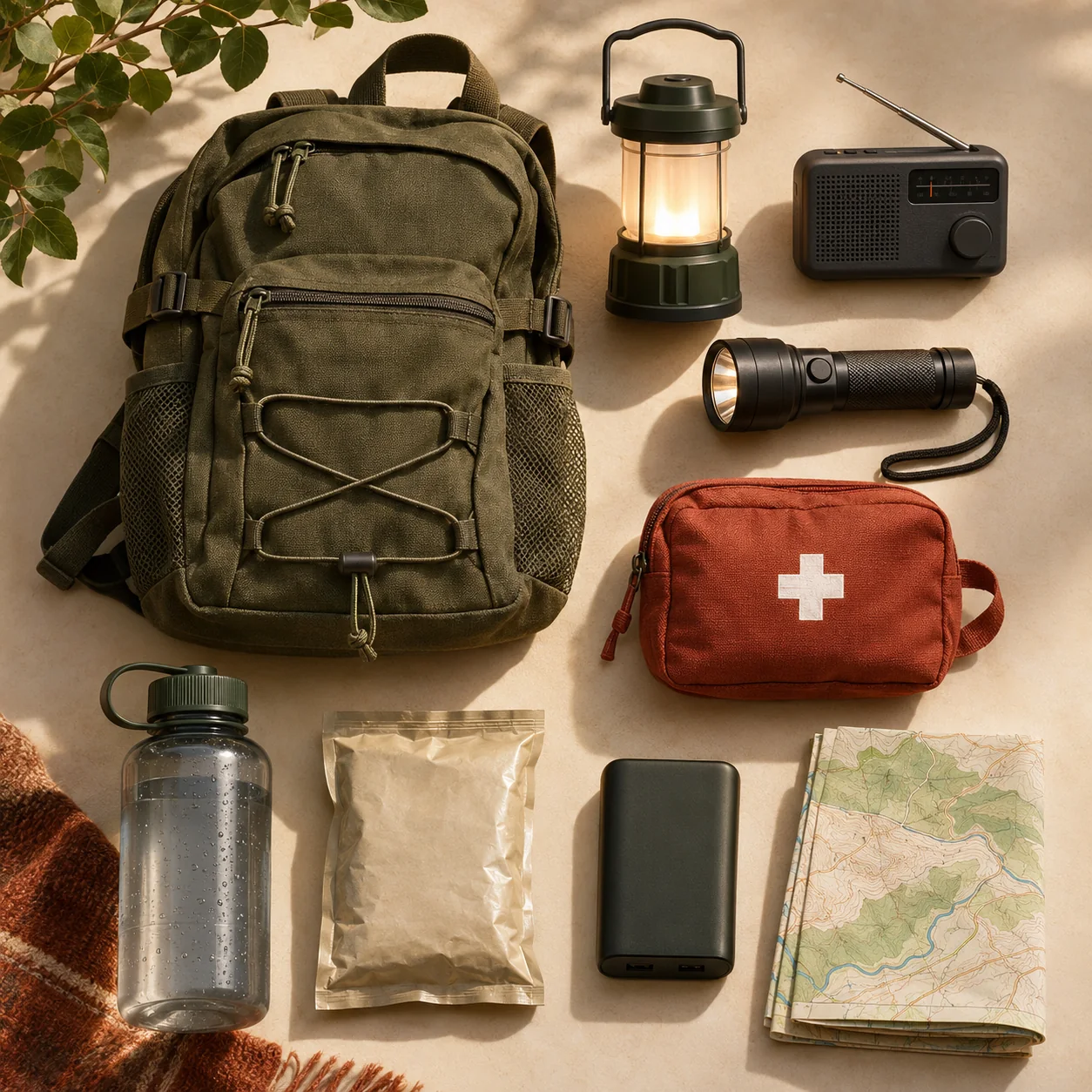
Start with the first hour.
The free First Hour Blackout Card helps you decide what deserves attention immediately and record the information your household will need under pressure. It is a compact starting tool, separate from the paid field guide. Print it, discuss it and place it where another person can find it. A useful plan should not depend on the person who normally handles everything being home.
Build the system behind the equipment.
The complete field guide supports a deeper review of household lighting, communication, charging, food concerns and essential power needs. Six written mini-course lessons turn that review into practical assignments. You identify priorities, record responsibilities, compare realistic options and rehearse a small household drill. The aim is a usable set of decisions, rather than a shopping list that assumes every home needs the same equipment.
Why this can change the next interruption.
When a household agrees on priorities in advance, small decisions stop competing with one another. You can find a light without searching through drawers, contact the right person and recognize when conditions exceed your plan. The realistic payoff is clearer coordination and fewer avoidable surprises. No guide can guarantee uninterrupted electricity, prevent every loss or replace evacuation instructions and professional help.
Work through it at your pace.
Begin with the free card. If the full system fits your needs, request launch information. Once purchased access is available, use the guide alongside one written lesson at a time and complete the household assignments between lessons. Revisit the plan after a move, a change in household needs or an actual outage. Keep important contacts and decisions available offline, with sensitive details stored appropriately.