
Full shelves can hide an unfinished plan.
An emergency food purchase can look reassuring and still leave a household stuck. The meals may need equipment you cannot use during an outage. The labels may conflict with allergies or dietary requirements. Items can disappear behind newer purchases until no one remembers them. This system helps you connect what you buy with what your household actually eats, how you store it and how you will keep the arrangement useful.
Preparedness belongs in ordinary kitchens.
This is for young families watching their grocery budget, apartment households with one small cupboard, shared homes and experienced planners who want less waste. Familiar foods and cultural preferences belong in the conversation. So do allergies, feeding needs, religious requirements and the reality of who prepares meals. The method can travel across countries; product availability, labeling and food safety guidance should always be checked locally.
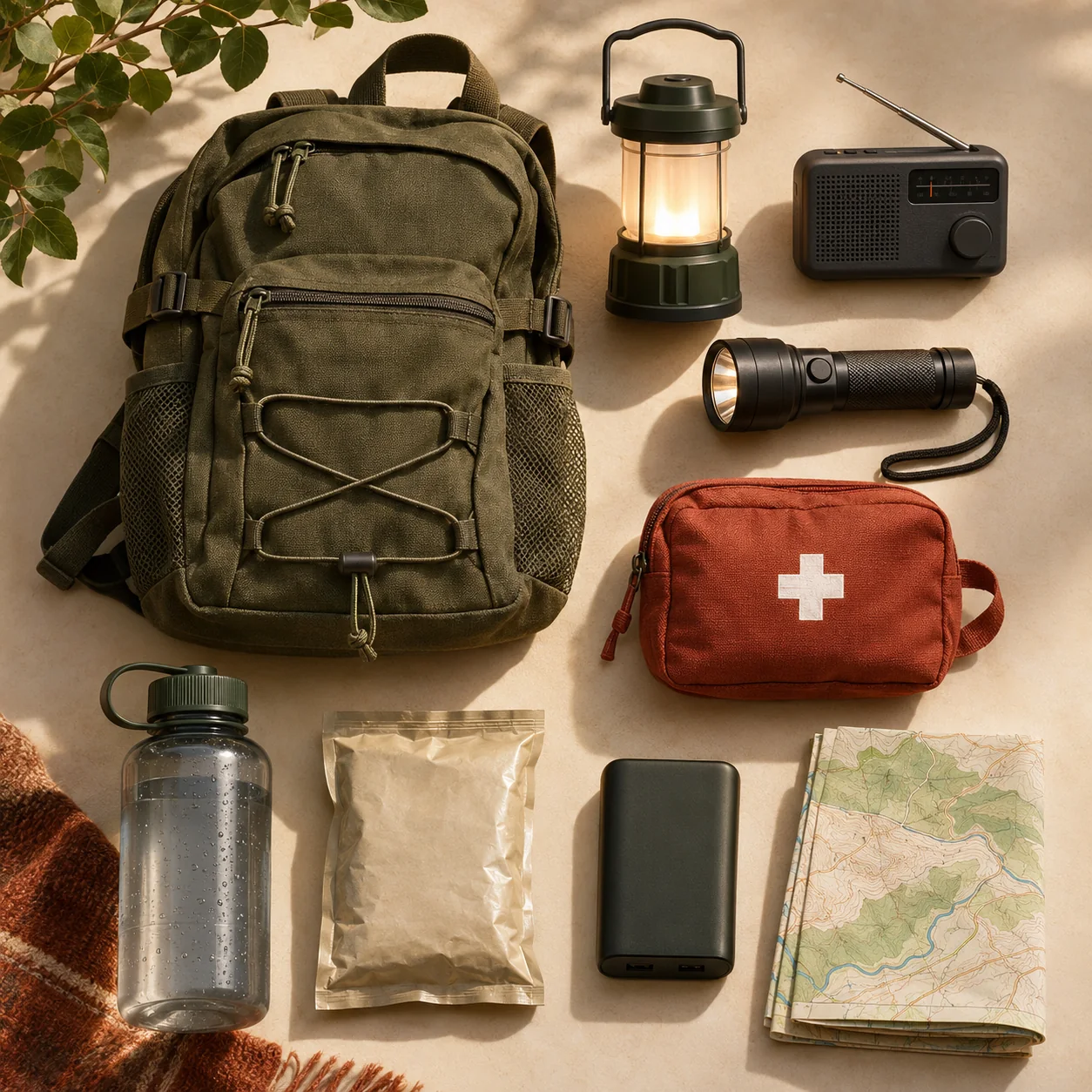
Give every shelf a job.
The free Pantry Rotation Map helps you see what is already there, decide what should be used next and create a repeatable place for checking supplies. It is a practical starting resource rather than the full paid system. Before buying a case of anything, use the map to notice duplicates, missing meal components and storage limits. Sometimes the most useful first action is organizing the food you already own.
Turn purchases into meals and routines.
The private field guide gives you a structured way to review household food needs, purchasing priorities, storage and ongoing maintenance. Six written mini-course lessons help you move from intentions to a workable routine. You connect food choices with realistic meal use, review kitchen dependencies and create a sensible replenishment habit. Retailer lists can support those choices, but no particular warehouse club, brand or expensive emergency bucket is required.
What progress should look like.
You can identify useful food, find it without emptying the kitchen and explain how it fits the household’s plan. Shopping decisions become easier to judge, and overlooked purchases become easier to catch. Those are realistic benefits. This guide cannot make unsafe food safe, guarantee a particular shelf life or replace medical advice about individual dietary needs. Food safety decisions still need the label, storage history and current authoritative guidance.
Make it manageable enough to maintain.
Begin with the free map and one shelf. Join the interest list if you want launch details for the full guide and written course. When purchase access opens, work through the assignments using your actual kitchen, budget and household preferences. Review the arrangement as seasons, schedules or dietary needs change. The goal is a pantry you understand and maintain through normal life, so it is less confusing when normal life is interrupted.